
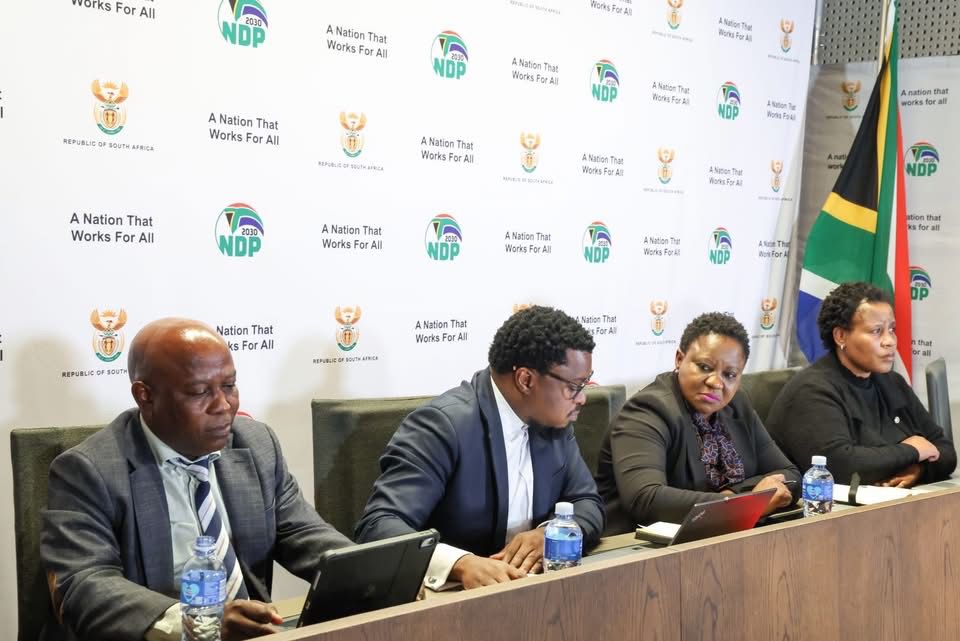
The Department of Small Business Development (DSBD), together with the Department of Trade, Industry and Competition (the DTIC), the Small Enterprise Development and Finance Agency (SEDFA), and the National Empowerment Fund (NEF), issued a providing an update on the implementation of the R500 million Spaza Shop Support Fund.
In a statement following the 29 May 2026 press briefing, measurable progress in application processing, verification and funding approvals is highlighted, while acknowledging ongoing systemic challenges within the licensing environment that continue to limit broader participation by South African-owned spaza shops.
The fund was established in 2024 following President Cyril Ramaphosa’s November 2024 announcement, which emphasised the need to strengthen regulation and oversight in the sector. The initiative aims to support and formalise spaza shops by improving compliance, enhancing food safety standards and addressing concerns around unlawful trading and public health.
According to the DSBD, the fund provides both financial and non-financial support to qualifying South African-owned spaza shops, including township and rural convenience stores. Support packages include grants, blended finance, stock purchases, point-of-sale devices and business development training. The department said strict verification processes are in place to prevent fronting and ensure that only legitimate, compliant businesses benefit.
National registration of spaza shops closed on 28 February 2025. Municipalities recorded approximately 82,000 registered spaza shops. Of these, 44,696 businesses completed registration, but only about 15,000 have secured approved municipal trading permits.
The statement outlines several systemic challenges affecting licensing, including municipal backlogs caused by manual processes, shortages of Environmental Health Practitioners to conduct inspections and issue Certificates of Acceptability, complex zoning requirements and high compliance costs, including ownership discrepancies and non-operational businesses.
The DSBD stressed that registration does not equate to licensing. Spaza shop owners must obtain valid municipal trading permits to achieve full compliance and qualify for funding support.
Despite these challenges, implementation of the fund has gained momentum. A total of 4,522 complete applications have been received nationally, with 4,240 assessed and 2,369 businesses approved for support.
Of the approved applications, SEDFA has approved 1,316 applications worth R79.6 million, and the NEF has approved 1,053 enterprises worth R99.9 million, bringing the total approved funding to approximately R179.6 million across all nine provinces.
The fund is also advancing economic inclusion. Of the approved enterprises, 43% are women-owned, 18% are youth-owned and 2% are owned by persons with disabilities.
The Spaza Shop Support Fund forms part of the government’s broader strategy to strengthen informal businesses and expand economic participation. The department reiterated that only South African-owned shops that meet all ownership, compliance and operational requirements are eligible for support.
Speaking at the South Africa Funeral Practitioners Association international conference in Durban recently, the minister of Small Business Development, Stella Ndabeni, said, “We will not allow fronting. Those who apply for funding only to hand their shops back to foreign nationals will be disqualified. In the second phase, we will strictly scrutinise every application to ensure the support goes to the rightful beneficiaries.”