
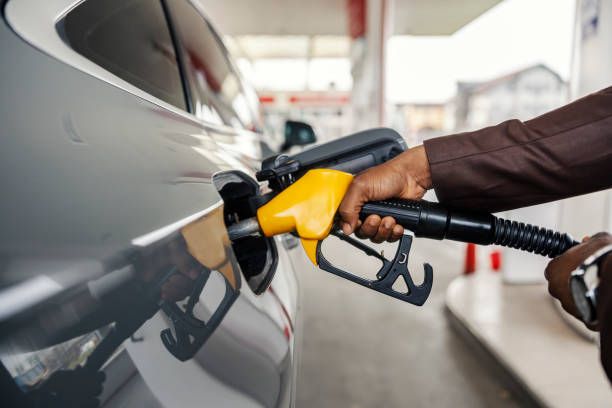
Motorists across the country will feel the pinch at the pumps from 2 September, with petrol rising by R1.34 a litre and diesel jumping by as much as R3.15 a litre.
Both 93 and 95 unleaded will cost more. In
Gauteng and other inland areas, 95 petrol moves to R26.92 a litre and 93 to R26.76. Wholesale diesel reaches R29.11 for the common grade and R30.05 for the cleaner version. Prices on the coast stay a bit lower, but the increase still hurts.
This is tough news for ordinary South Africans already struggling with the high cost of living. Taxi operators, bakkie owners, delivery drivers and families who rely on their cars for work or school runs will all pay more. Higher diesel costs will push up the price of goods on the shelves, from food to building materials.
The Department of Mineral and Petroleum Resources confirmed the changes on Monday. Rising international oil prices, driven by tensions in the Middle East and supply worries, are the main reason. A stronger rand helped a little, but not enough. The slate levy also went up to cover earlier shortfalls for importers.
It has been a rollercoaster year at the pumps. Prices started 2026 around R20 a litre for petrol and under R19 for diesel inland. Big jumps followed in the middle of the year. July brought some relief, with petrol dropping about R2 and diesel more than R3. August gave petrol drivers a small 52-cent break, but diesel still rose by over a rand.
For many households and small businesses, these latest increases mean tighter budgets and harder choices. The pressure continues.