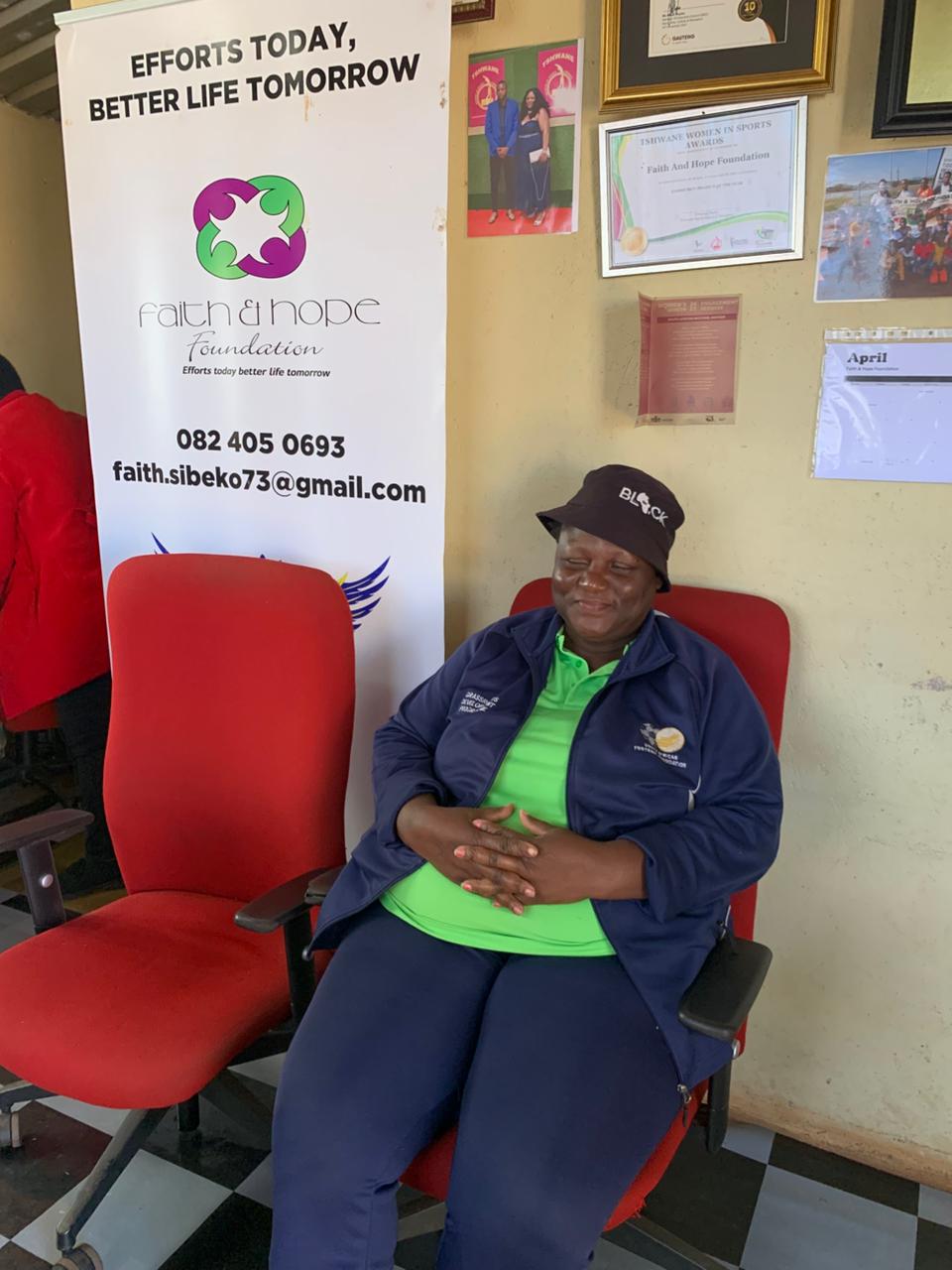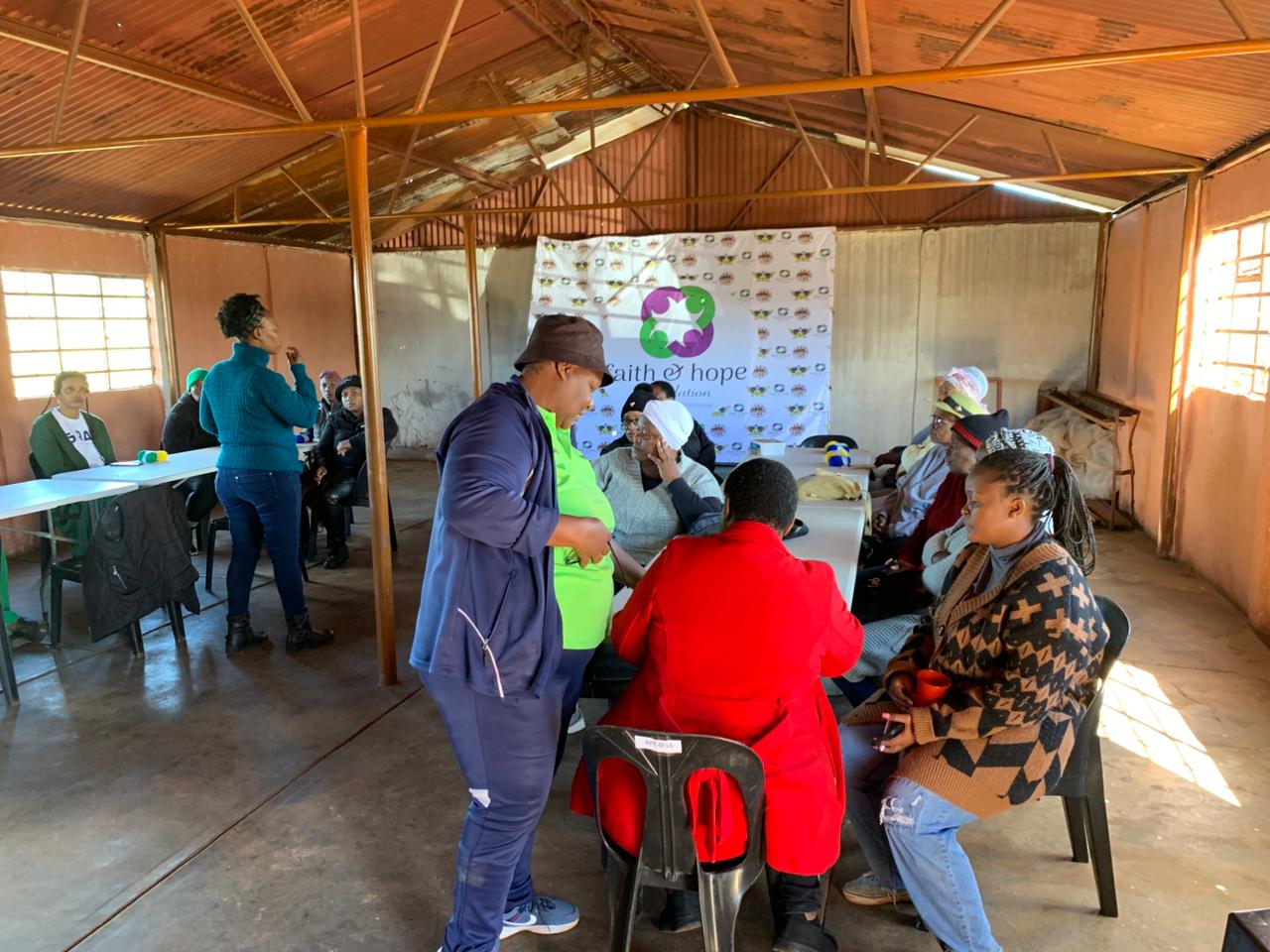
The Faith and Hope Foundation, a registered non-profit organisation (NPO) based in Ga-Rankuwa Unit 23, is working to uplift vulnerable members of the community through skills development and social support programmes.
Founded and led by Ms Faith Sibeko, the organisation has grown into a support structure for child-headed households, underprivileged families and unemployed youth. The centre currently employs 20 people and is supported by more than 15 volunteers.
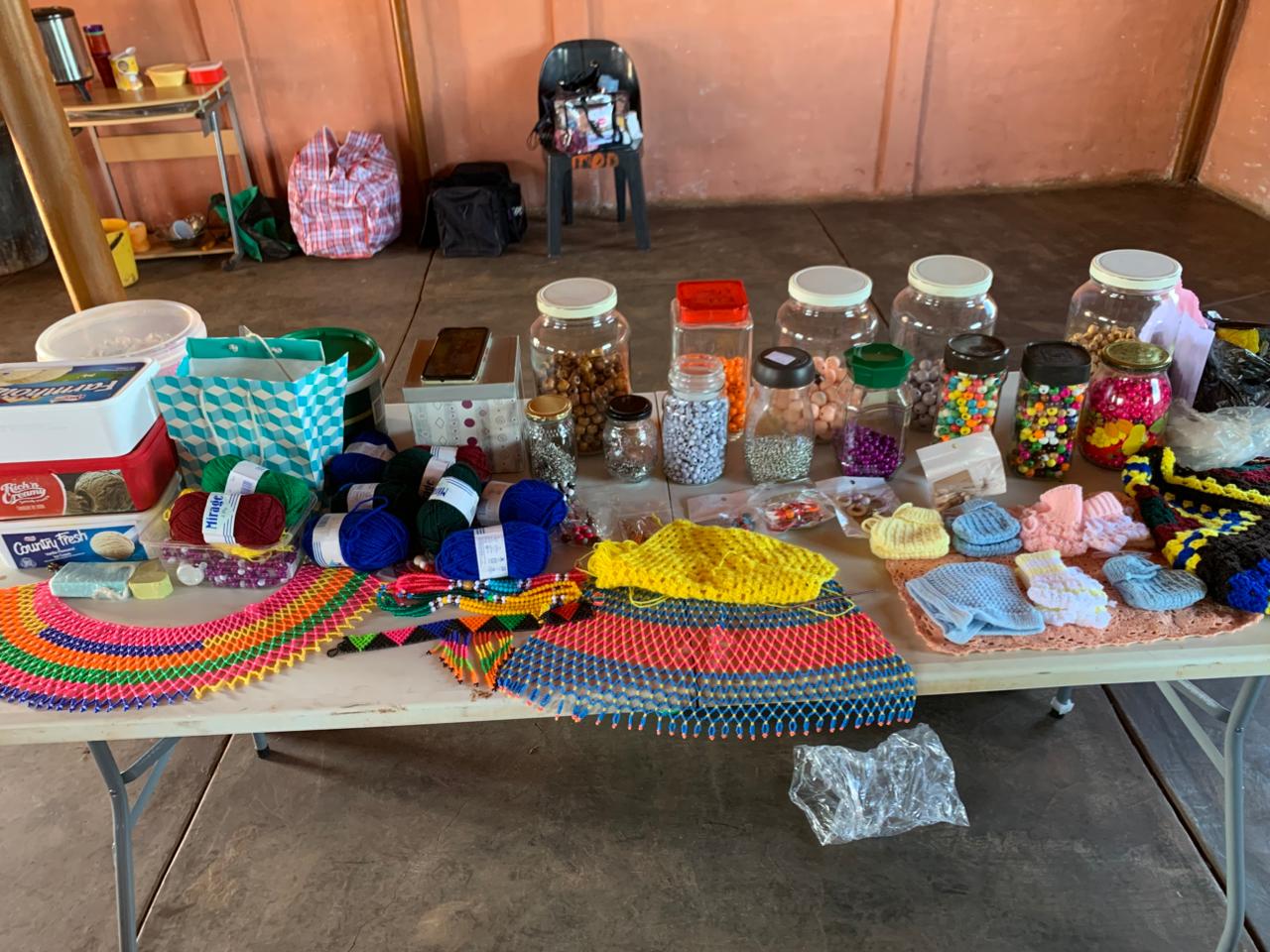
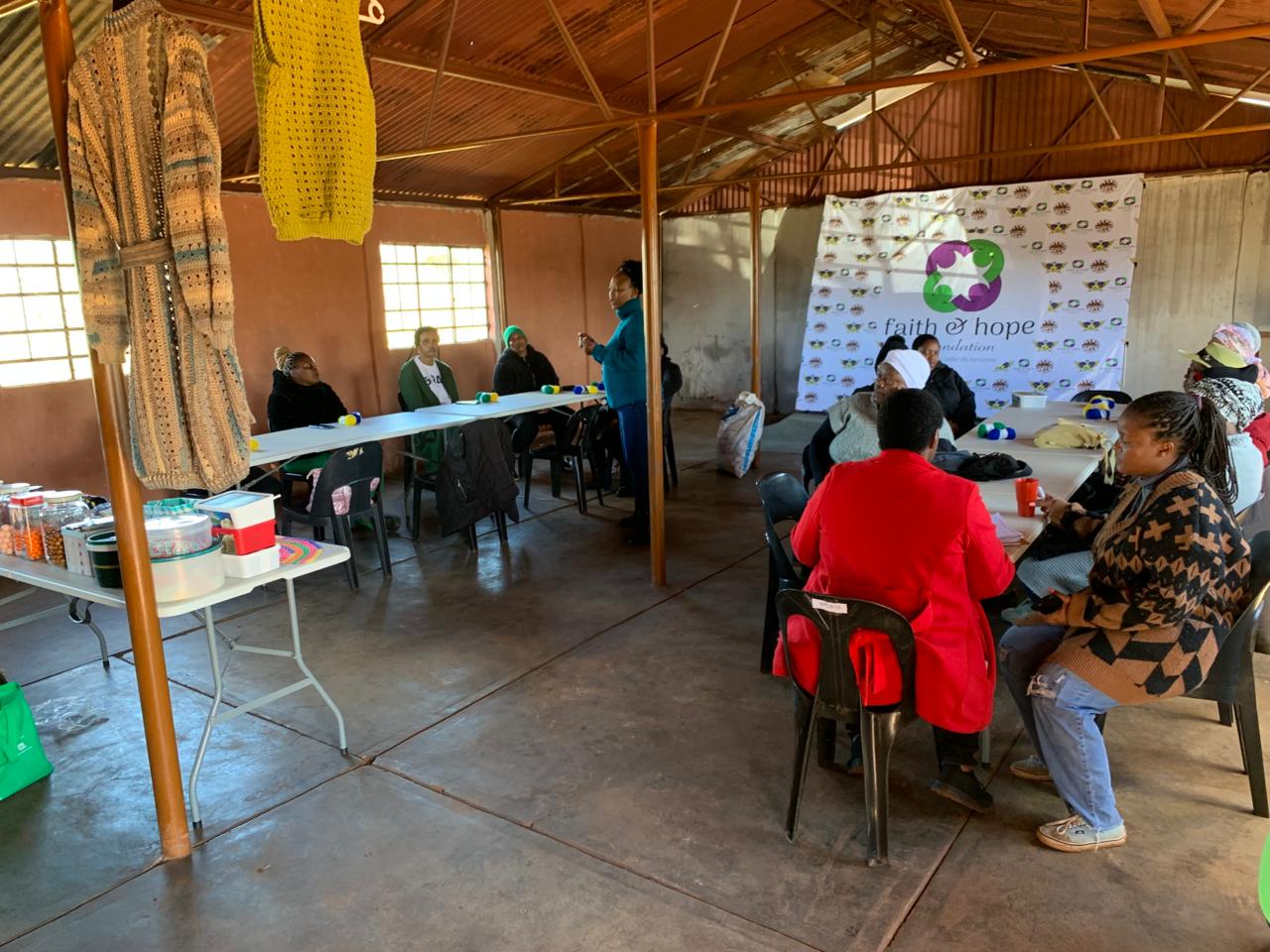
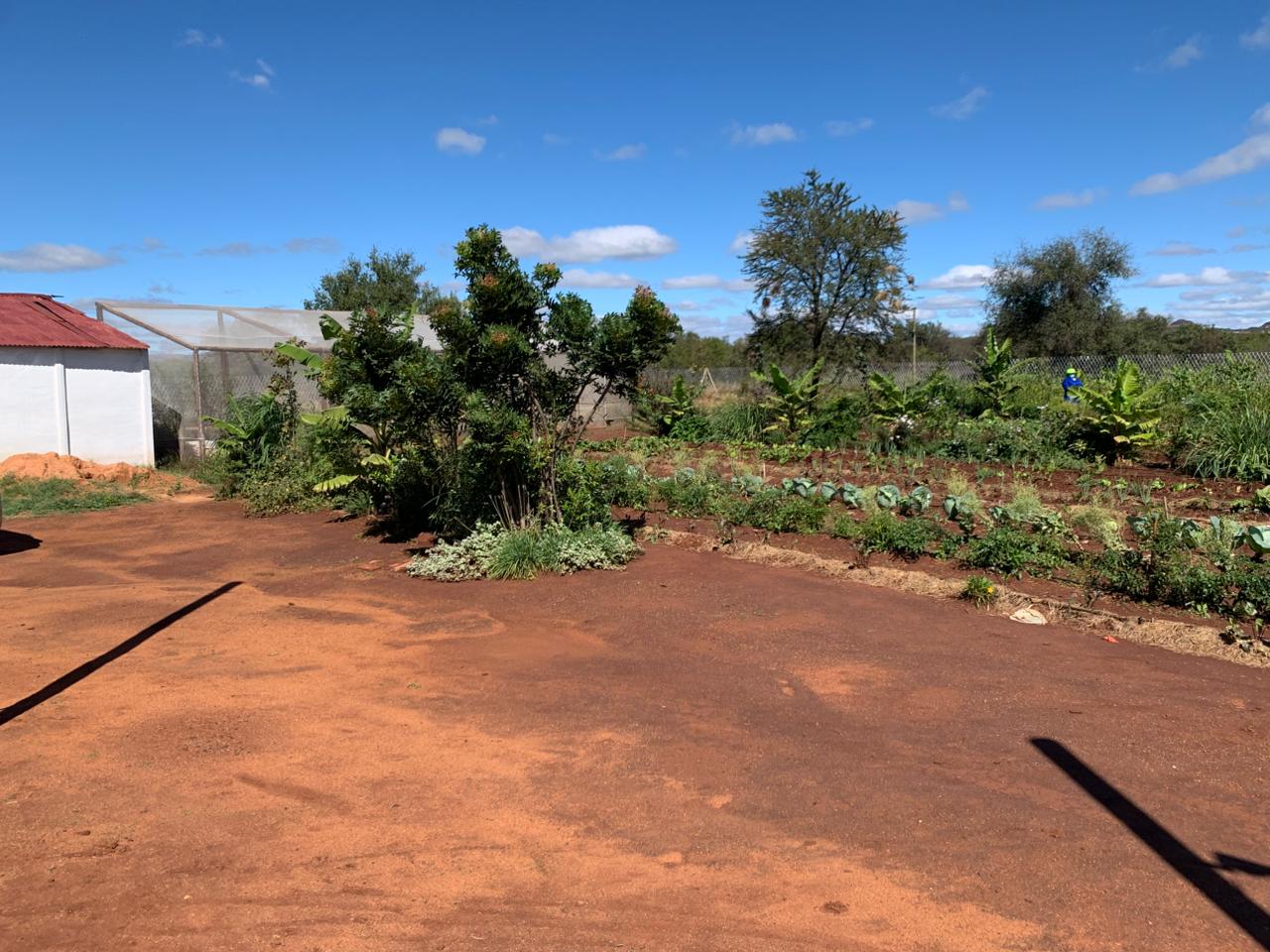
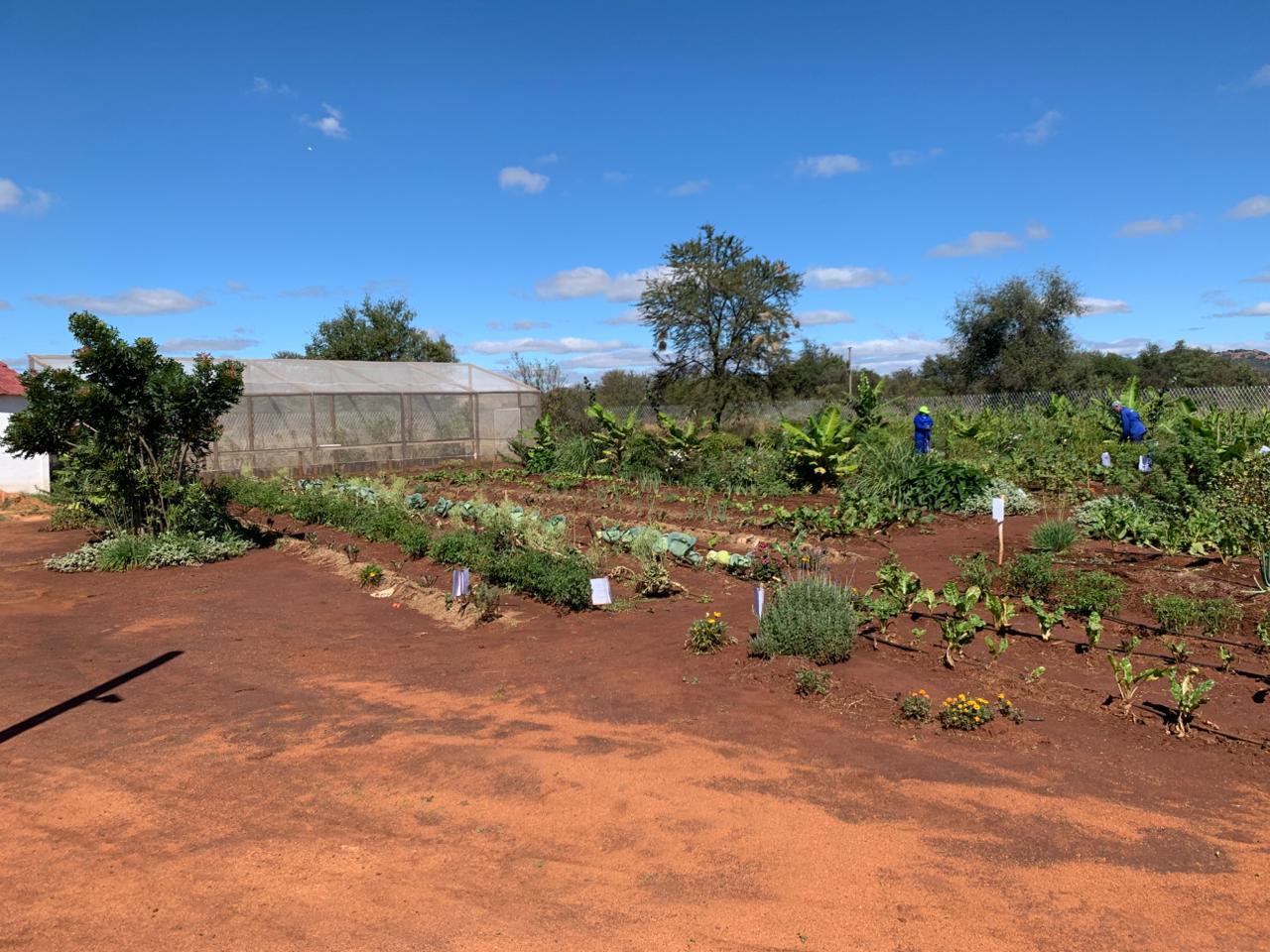
On 7 May, Ga-Rankuwa Times visited the foundation to learn more about its work. What began as a small community initiative has developed into a multifaceted project offering practical skills such as soap-making, crocheting, and candle-making. Its largest initiative is an agroforestry farming project, which helps sustain the centre through the sale of harvested produce. Surplus vegetables are donated to struggling families in the area.
Despite these efforts, the foundation faces serious financial challenges. Limited funding has restricted its ability to expand programmes and reach more beneficiaries.
“We have poor families here that, when you visit them, you can see they need help. We also support child-headed families,” said Ms Sibeko. The centre assists children without adult caregivers by providing vegetables and other donated essentials.
The foundation partners with schools, businesses, and volunteers to strengthen its impact and secure additional support.
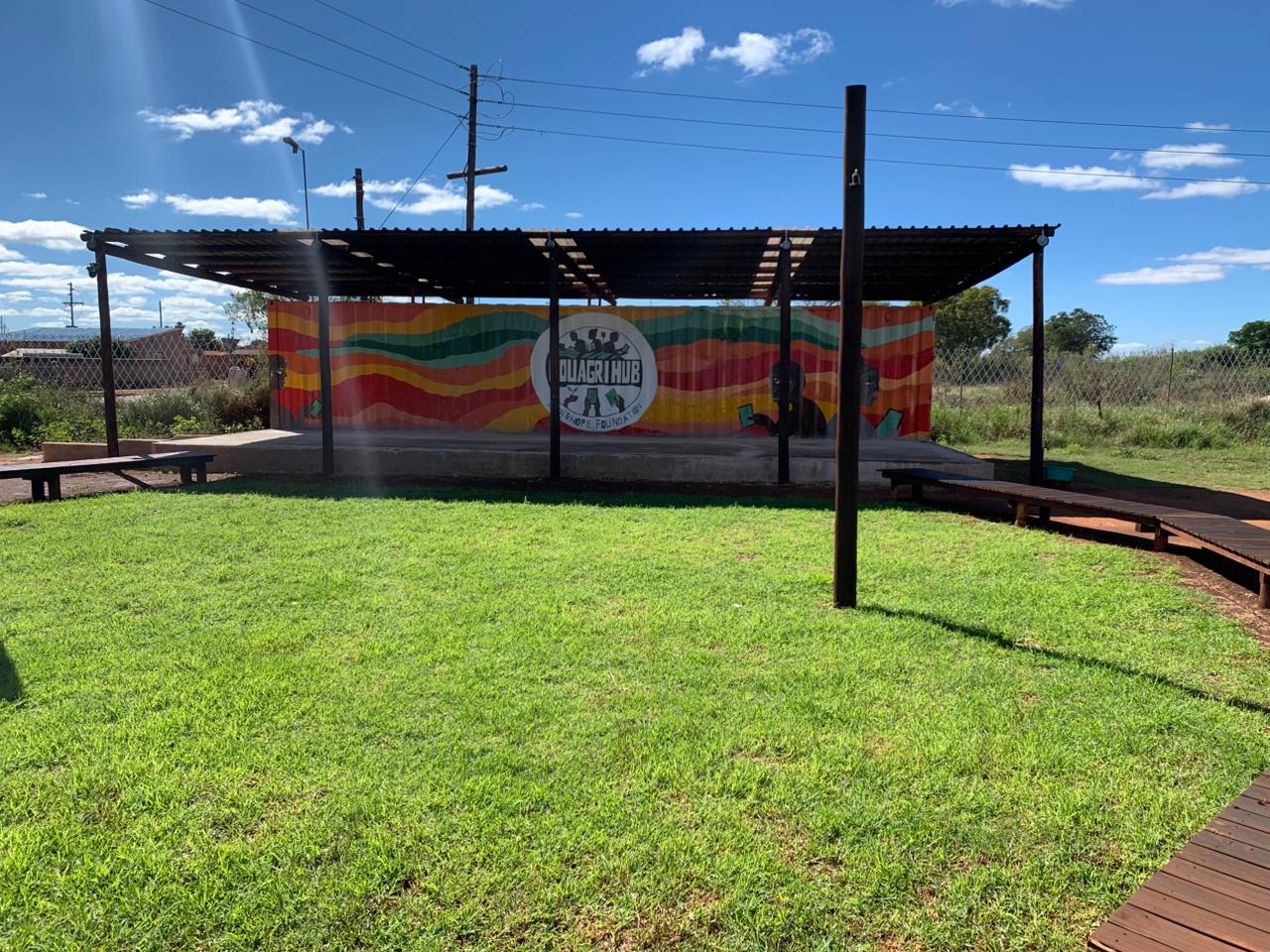
One of its key projects currently on hold is the “EduAgriHub,” an initiative designed to equip young people with computer skills while introducing them to opportunities in agriculture. However, the project has stalled due to a lack of electricity at the centre.
According to Ms Sibeko, the centre’s transformer was stolen last year. After approaching Eskom for assistance, the organisation was informed that it would need to purchase its own transformer to restore power.
“We don’t need free electricity; we will pay. All we need is power to start this project and help the youth,” Ms Sibeko said.
The lack of electricity has also prevented matric learners from using the centre’s computers and printers for research and school assignments, despite the equipment being donated by sponsors.
The Faith and Hope Foundation is appealing for support from individuals, businesses and organisations. Contributions can include school supplies, uniforms, sanitary products, food parcels or financial donations. The centre also welcomes volunteers for mentoring, skills workshops, sports programmes and sustainability projects.
Sibeko emphasised that increased funding would allow the foundation to expand its initiatives and create more employment and development opportunities for young people.
“Funding can help us grow the project, create more opportunities for the youth and support more families,” she said.
The foundation has also reached out to the mayor’s office for assistance with its planting projects. “We sent our profile hoping to get more help, but we were offered one tree and told there were plans to plant more,” Ms Sibeko added.
Despite the challenges, the Faith and Hope Foundation continues to serve as a beacon of hope in Ga-Rankuwa Unit 23, supporting vulnerable families, assisting schoolchildren with uniforms and basic needs, and striving to build a more self-sustaining and empowered community.